
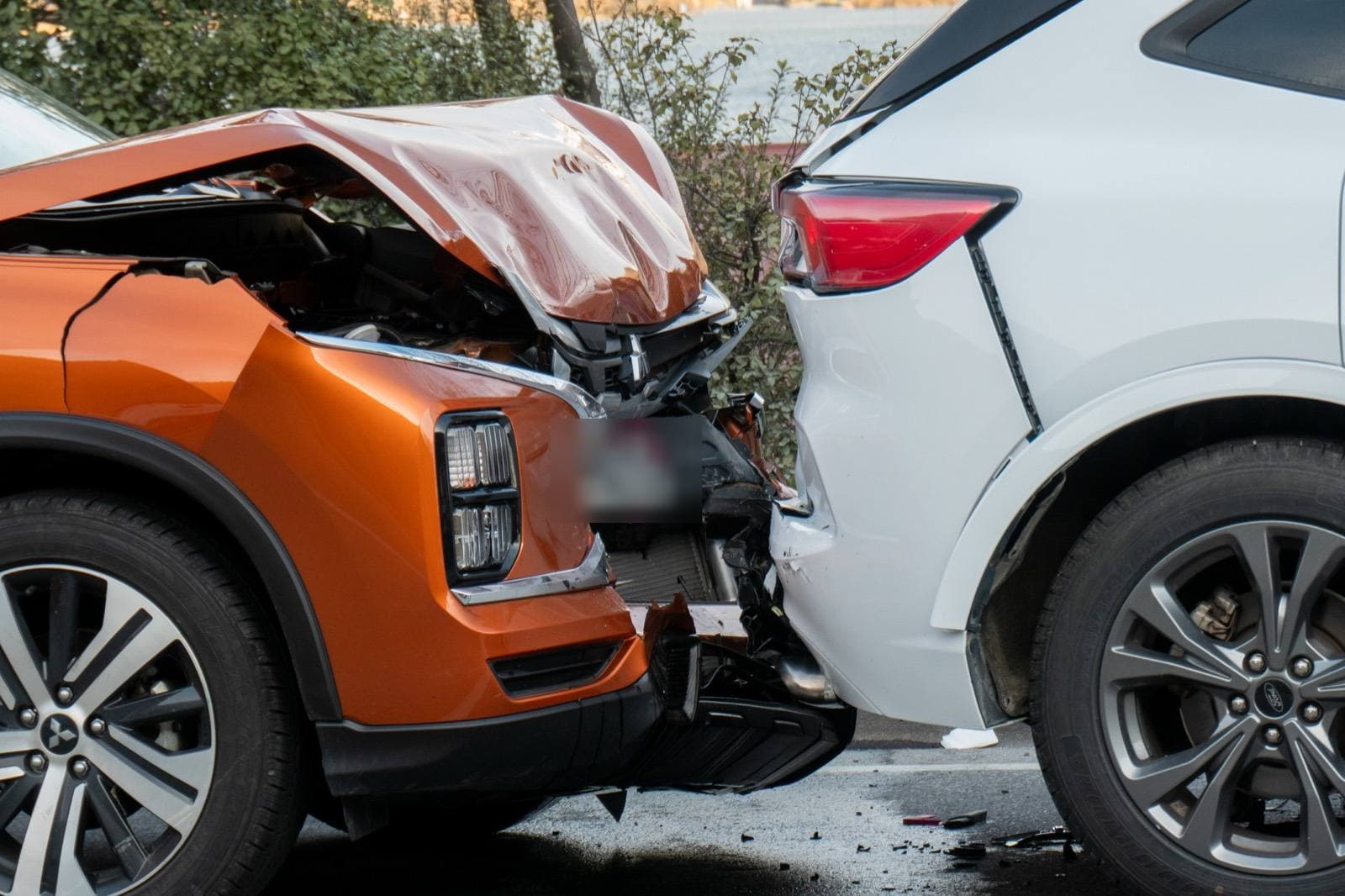
If you've just dropped your car off after an accident, you probably want one thing: a straight answer about when you're getting it back. The honest answer is that it depends on what's actually wrong with the vehicle, but most repairs fall into a few predictable ranges once a shop has actually looked at the damage.
This guide breaks down how long auto body repair takes by severity, what actually stretches a repair out longer than expected, and what you can do to keep your timeline as short as possible.
The short answer, by damage severity
Minor cosmetic damage typically takes 1 to 3 days once the vehicle is in the shop and parts are on hand. This covers things like small dents that don't need a full panel replacement, a scuffed or cracked bumper cover, minor paint transfer, or a single trim piece that needs replacing. If nothing needs to be ordered, a shop can often turn this kind of repair around in a single day.
Moderate damage typically takes 1 to 2 weeks. This is the range for a damaged panel or two, a bumper that needs full replacement rather than repair, a headlight or fender assembly, or some frame straightening that doesn't involve deeper structural work. Paint and clear-coat curing time, plus reassembly and a quality check, add up even when the underlying repair itself isn't complicated.
Major or structural damage typically takes 3 to 4 weeks or more. This category includes frame damage, multiple panels needing repair or replacement, airbag deployment (which requires replacing the airbags, sensors, and often the steering wheel or seat components involved), and significant mechanical or suspension damage. Structural repairs also tend to involve more calibration work afterward, since frame and suspension work can affect how sensors are aimed.
Total loss determination can add time before any repair work starts at all. If the estimated cost to repair approaches or exceeds the vehicle’s value, the insurer may total the car instead of authorizing repairs. That decision, and the appraisal process behind it, can take several days on its own, and it happens before the “repair timeline” even begins.
These are typical ranges, not guarantees. The same category of damage can move faster or slower depending on parts availability, your insurer's approval process, and how busy the shop is when your car arrives.
Does it matter if the car is drivable or not?
Shops and insurers often distinguish between drivable and non-drivable vehicles, and it affects more than just whether you need a tow. A non-drivable vehicle usually means more significant damage by definition, which correlates with longer repair times, but it also affects logistics: the vehicle typically goes straight into the repair queue rather than waiting for you to schedule a drop-off, and if you have rental coverage, it usually starts the moment the vehicle is towed in rather than when repairs actually begin. If your car is still drivable, it's worth asking the shop whether keeping it on the road until parts arrive makes more sense than dropping it off and having it sit, since a vehicle waiting on a backordered part isn't being worked on either way.
What actually drives a longer repair time
The damage itself is only part of the story. In practice, a few things cause most of the delays drivers run into.
Parts availability
If your vehicle needs a part that isn’t sitting on a shelf somewhere nearby, the shop has to order it. Common parts for popular models are often available within a few days. Less common parts, parts for newer model years, or parts affected by a manufacturer backorder can take considerably longer, sometimes weeks. This is usually the single biggest source of "why is this taking so long" frustration, and it’s largely outside the shop’s control.
Supplements (hidden damage found during teardown)
An initial estimate is based on what's visible before the vehicle is taken apart. Once a technician removes a bumper cover or opens up a quarter panel, it's common to find additional damage that wasn't visible during the first inspection: a bent bracket, a damaged sensor, compromised structural components. When that happens, the shop writes a supplement, an updated estimate reflecting the actual scope of the repair, and submits it to your insurer for approval before continuing. This is a normal part of the process, not a sign that anything went wrong, but it does add time while the shop and insurer confirm the additional work.
Insurer approval and appraisal
Once a supplement is submitted, the shop generally waits for the insurer's appraiser to review and approve it before continuing the repair. How fast that happens depends on the insurer, the adjuster's workload, and how clearly the shop documented the additional damage. A shop that provides clear photos and a detailed, line-item supplement gives the appraiser what they need to approve it quickly, which is one of the more meaningful ways a shop's process affects your timeline.
Calibration and scanning requirements
Many vehicles built in the last several years rely on cameras, radar, and other sensors for features like automatic braking, lane-keeping, and adaptive cruise control. After certain repairs, manufacturers require these systems to be recalibrated, which sometimes means an extra step (and occasionally an extra day) at the end of the repair before the vehicle is considered complete. Skipping this step to save time is not something a responsible shop will do, since it directly affects whether those safety systems work correctly afterward.
A typical repair timeline, step by step
Here's roughly what happens between drop-off and pickup for a repair that needs ordered parts:
- Estimate and drop-off. The shop inspects the vehicle and writes an initial estimate. If you're coordinating with your insurer, this is also when the claim gets opened, if it hasn't been already.
- Parts ordering. Once the estimate is approved, the shop orders any parts that aren't already in stock. This step's length depends entirely on parts availability for your specific vehicle.
- Teardown and supplement (if needed). The vehicle is disassembled to the extent needed for the repair. If additional damage is found, the shop submits a supplement and typically pauses further work on the affected area until it's approved.
- Structural and body repair. Any frame or panel repair happens here, followed by panel replacement or repair work.
- Paint. Panels are prepped, primed, painted, and cleared, then allowed to cure before reassembly.
- Reassembly. Trim, lights, sensors, and other components go back on.
- Calibration and scanning. If the vehicle has driver-assist systems that were affected by the repair, they're recalibrated and scanned to confirm everything reads correctly.
- Quality check and detail. The vehicle is inspected against the repair order, cleaned up, and prepared for pickup.
- Pickup. You get your car back, ideally with a walkthrough of what was repaired.
A straightforward, single-panel repair with parts in stock can move through all of this in a matter of days. A repair that hits a parts backorder or an extended supplement approval can stretch the same steps out over several weeks, even though the actual hands-on repair time hasn't changed much.
So how long does it take to repair a car after an accident, really?
If you want a single number, industry cycle-time reporting (from sources like CCC Intelligent Solutions' Crash Course industry report) has generally put total time in the shop for vehicles that need ordered parts and aren't immediately drivable somewhere in the range of two to three weeks in recent reporting periods, with lighter cosmetic repairs finishing well inside that window and more complex or calibration-heavy repairs running longer. Treat that as a general industry benchmark rather than a promise about your specific vehicle. Your shop, looking at your actual car, is always going to give you a more accurate estimate than any industry-wide average can.
What you can do to keep your repair on schedule
- Ask for a written estimate and timeline up front, and ask what could change it (a backordered part, a hidden-damage finding, a calibration step).
- Respond quickly to any calls from the shop or your insurer. Approvals on supplements move faster when everyone involved is responsive.
- Ask about your rental coverage before you need it. If your policy includes rental reimbursement, confirm the daily limit and how many days it covers so there are no surprises if the repair runs long.
- Choose a shop that communicates proactively, rather than one you have to keep calling for updates. A shop that flags a parts delay or supplement as soon as it happens, instead of waiting for you to ask, is usually the difference between a stressful wait and a predictable one.
Why The Collision Center works to keep repairs moving
At The Collision Center, we write clear, documented estimates and supplements so insurer approvals don't stall in back-and-forth, and we tell you as soon as we know about a parts delay or additional damage rather than letting you find out at pickup. We handle the collision repair process from initial estimate through calibration and final quality check, and we coordinate directly with your insurance company's appraiser so you're not stuck relaying information between two parties yourself.
We work on vehicles from Hereford and the surrounding Maryland communities, and one of the most common questions we hear at drop-off is simply “how long will this take?” We’d rather give you a realistic answer based on your actual vehicle and damage than a generic number that doesn’t hold up once the car is on the lift.
If you've been in an accident and want a realistic timeline for your specific vehicle, get a free estimate from our team. We'll walk you through what the repair actually involves and give you a straight answer about how long it should take.
Common Questions
Frequently asked questions
How long does collision repair take?
It depends on the severity of the damage. Minor cosmetic repairs typically take 1 to 3 days, moderate damage typically takes 1 to 2 weeks, and major or structural damage typically takes 3 to 4 weeks or more, largely depending on parts availability and insurer approval times.
How long does auto body repair take for a small dent or scratch?
Minor cosmetic repairs, like small dents or a scuffed bumper cover, are usually completed within 1 to 3 days once the vehicle is in the shop and any needed parts are on hand.
How long does it take to repair a car after an accident if parts have to be ordered?
This is one of the biggest variables. Common parts often arrive within a few days, but less common parts or parts affected by a manufacturer backorder can add a week or more to the repair.
Why is my repair taking longer than the shop originally estimated?
The most common reasons are a parts delay, a supplement for hidden damage found during teardown, or a wait on insurer approval for that supplement. None of these are unusual, but each one can add time to an otherwise straightforward repair.
What is a supplement, and why does it add time?
A supplement is an updated estimate the shop submits after finding damage that wasn't visible during the initial inspection. The shop typically waits for the insurer to approve the supplement before continuing work on the affected area, which is why it can pause progress temporarily.
Will I need a rental car while my vehicle is being repaired?
Many drivers do, especially for moderate to major repairs. If your policy includes rental reimbursement, check the daily limit and number of days covered so you know what to expect if the repair takes longer than planned.
Does it matter if my car is drivable while it waits for parts?
It can. A non-drivable vehicle usually gets towed straight into the shop's queue, while a drivable vehicle sometimes has the option to wait for a backordered part before dropping off, since the car isn't being worked on either way until the part arrives. Ask your shop which approach makes more sense for your situation.
Get a free estimate
If you have been in an accident, the choice of shop is yours. We will document the repair, coordinate with your insurer’s appraiser, and explain every step in plain terms.