
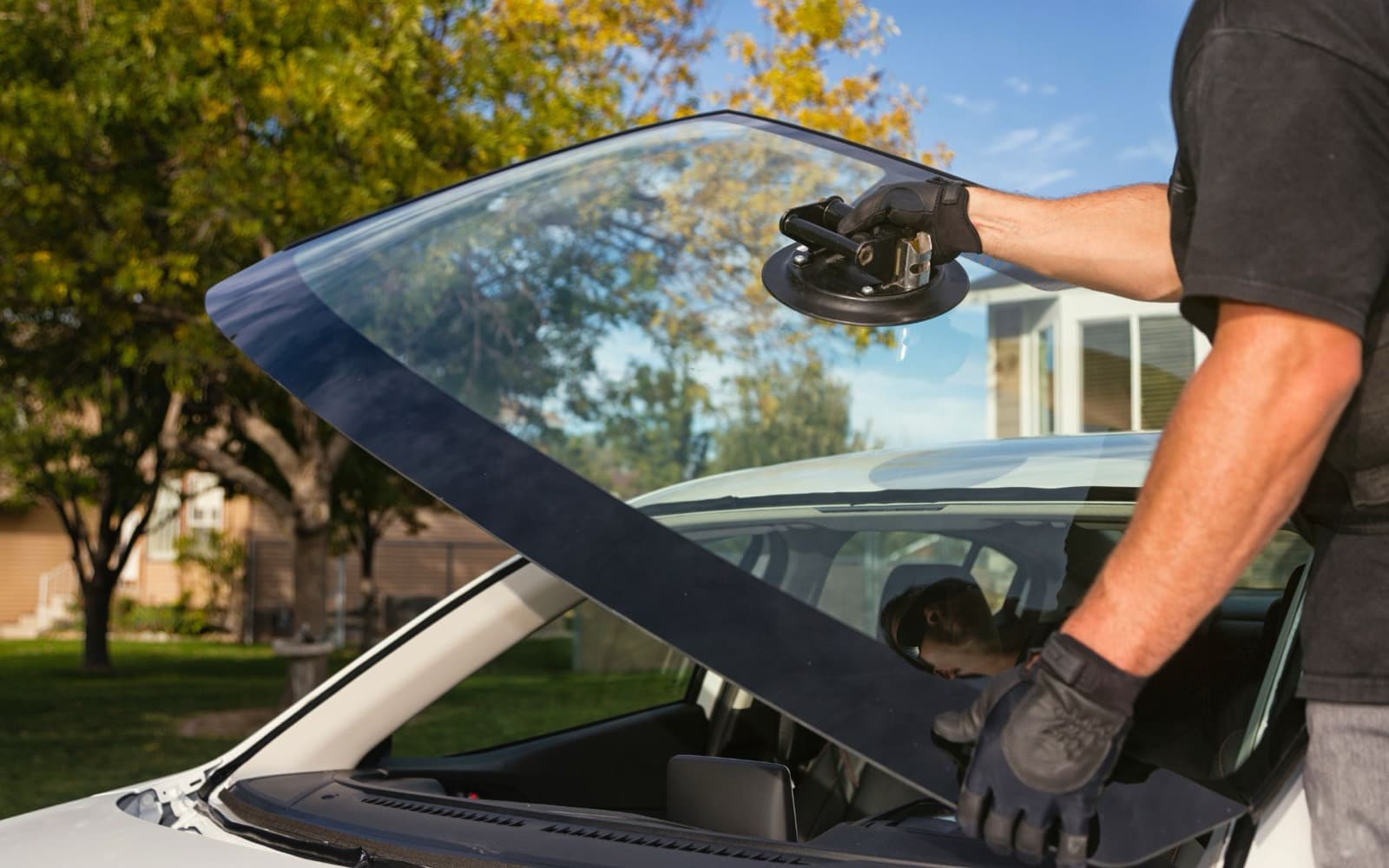
If your windshield was just replaced, or needs to be, and someone mentioned "ADAS calibration" without explaining what that actually means, you're not alone in wondering whether it's a real requirement or an upsell. For most newer vehicles, it's real, and skipping it can leave your car's safety systems working on bad information without you knowing it. Here's what calibration actually does, why a windshield replacement affects it, and what happens if it gets skipped.
The short answer
Yes, if your vehicle has a forward-facing camera mounted on or near the windshield, and most vehicles built in the last several years do, that camera almost always needs to be recalibrated after the windshield is replaced. The camera relies on a precise, fixed relationship with the glass and the vehicle's body to do its job, and removing and reinstalling the windshield can shift that relationship just enough to throw the camera's readings off, even when the new glass looks and fits perfectly.
What ADAS actually is
ADAS stands for Advanced Driver Assistance Systems, the collection of features that help a vehicle see the road and react to it. The most common ones drivers encounter day to day include:
- Lane departure warning and lane-keeping assist, which watch the lane lines around your vehicle and either alert you or gently steer you back if you start to drift.
- Forward collision warning and automatic emergency braking, which track the distance and closing speed of the vehicle ahead and warn you, or brake for you, if a collision looks imminent.
- Adaptive cruise control, which uses the same forward-facing sensors to automatically maintain following distance from the car ahead.
- Traffic sign recognition, which reads speed limit and other signage and displays it on your dashboard.
On most vehicles with these features, a camera mounted behind the windshield, usually near the rearview mirror, is doing a large part of the actual "seeing." It watches lane lines, the distance and closing speed of the vehicle ahead, and objects in the road, and feeds that information to the systems that warn you or intervene. On many vehicles, this camera works alongside radar or ultrasonic sensors elsewhere on the vehicle, but the windshield-mounted camera is usually the piece most directly affected when the windshield itself is replaced.
That camera doesn't just need to work. It needs to know exactly where "straight ahead" and "level" are, down to a fraction of a degree, because every measurement it makes, how far away that car is, how fast the lane line is drifting, whether an object is in the vehicle's path, depends on that reference point being correct.
Why a windshield replacement affects the camera
The camera is typically mounted to a bracket that's either attached to the windshield itself or positioned right against it. When a technician removes the old windshield and installs a new one, several things can shift that reference point even slightly: the exact position and angle of the glass, the bracket's alignment relative to the vehicle's centerline, and even small differences in the glass itself. Windshields have precise optical properties, and a new piece of glass, even one that's the correct part for your vehicle, can introduce a small distortion or angle change that the camera has to be recalibrated to account for.
None of this is a defect or a sign of bad work. It's simply a physical reality of removing and reinstalling a component the camera depends on for its reference point. That's exactly why vehicle manufacturers publish calibration procedures as a required step after windshield replacement, not as an optional add-on.
Does the type of glass matter?
Windshields, like other collision repair parts, come in OEM and aftermarket versions, and the glass itself can carry the camera bracket, tinting, and even an acoustic layer that affects clarity through the camera's field of view. A windshield that isn't manufactured to the correct optical specification for your vehicle can make calibration harder to complete successfully, or in some cases prevent it from passing at all, regardless of how carefully the installation itself was done. This is one of the more overlooked reasons to ask your shop what brand and specification of glass they're using, particularly if your vehicle relies heavily on its forward camera for features like automatic emergency braking.
Static vs. dynamic calibration
Manufacturers specify one of two calibration methods, and some vehicles require both.
Static calibration happens in the shop, with the vehicle stationary. The technician sets up specific calibration targets, boards or patterns placed at precise distances and angles from the vehicle, and the camera is calibrated against them using manufacturer-specified software and equipment. This requires a level, controlled space with accurate measurements, which is why it isn't something that can be done in a driveway or a busy parking lot.
Dynamic calibration happens on the road. The vehicle is driven under specific conditions, at a certain speed range, following clear lane markings, for a set period of time, while the calibration system gathers data and confirms the camera is reading correctly. This usually requires clear weather, decent lane markings, and low traffic, which is part of why dynamic calibration can occasionally take more than one attempt.
Which method (or combination) your vehicle needs depends entirely on the manufacturer's specification for that make, model, and year. This isn't something a shop gets to choose; it's dictated by the vehicle itself.
What happens if calibration gets skipped
If the camera isn't recalibrated after a windshield replacement, it may still function, in the sense that the systems will still turn on and appear normal. The problem is what happens underneath that: a camera reading from a shifted reference point can misjudge distances, closing speeds, or lane position, sometimes only slightly, sometimes more. That can show up as a lane-keeping system that nudges the wheel at the wrong moment, forward collision warnings that go off too late, too early, or not at all, or automatic emergency braking that doesn't engage the way it's designed to.
The unsettling part is that none of this is obvious from the driver's seat under normal conditions. A miscalibrated system can look and feel completely normal for weeks, right up until it matters in a moment where a fraction of a second or a few degrees of accuracy is the difference between the system catching something and missing it.
Does a small chip repair need calibration too?
Not usually, and this distinction trips a lot of drivers up. A chip or crack repair, where the existing glass is filled and reinforced rather than removed, generally leaves the camera's mounting position and the glass itself undisturbed, so it typically doesn't trigger a calibration requirement. The exception is a repair located directly in the camera's field of view, which can sometimes affect what the camera reads even without a full glass replacement. Full windshield replacement is the scenario that reliably requires recalibration, since it's the one that actually removes and reinstalls the glass and, usually, the camera bracket with it.
How do I know if my car needs it?
If your vehicle has any of the features mentioned above, lane-keeping, forward collision warning, automatic emergency braking, adaptive cruise control, it almost certainly has a windshield-mounted or windshield-adjacent camera that needs recalibration after glass replacement. The most reliable way to confirm this for your specific vehicle is to check your owner's manual or ask the shop to look up your vehicle's manufacturer repair procedures directly; calibration requirements are specified by make, model, year, and sometimes trim level, so a reputable shop should be able to tell you definitively rather than guessing.
Who performs the calibration, and does it cost extra?
Calibration typically requires equipment and space a standard glass-only installer may not have: level floor space for static targets, the manufacturer's specific software and target patterns, and in some cases a road long enough and clear enough for dynamic calibration. Some shops handle both the glass replacement and the calibration in one visit; others replace the glass and refer the calibration step to a shop equipped to handle it. Either way, if you have an insurance claim open for the windshield replacement, calibration should be included as part of that same estimate, since it's a required step in the manufacturer's repair procedure rather than an optional extra. If a shop quotes you for a windshield replacement with no mention of calibration at all, it's worth asking directly whether your vehicle needs it and who will be performing it.
What to ask your shop before you approve the work
- Does my vehicle require calibration after this windshield replacement, according to the manufacturer's procedure for my make and model?
- Is it static, dynamic, or both?
- Will calibration be done here, or will I need a separate appointment?
- Is calibration included in this estimate, or is there anything I need to confirm with my insurer first?
- Will I get confirmation that calibration was completed successfully before I pick up the vehicle?
A shop that answers these clearly and specifically, rather than brushing past the question, is a good sign that calibration is being treated as the required step it actually is.
How The Collision Center handles ADAS calibration
When a windshield replacement on your vehicle calls for ADAS calibration, we treat it as part of the repair, not an afterthought. We confirm what your specific vehicle requires, perform or coordinate the correct calibration method, and make sure it's documented before your car goes back on the road.
We see this question often from drivers throughout Hereford and the surrounding Maryland communities, especially owners of newer vehicles who assumed a windshield replacement was a simple, same-day glass swap and were surprised to learn a calibration step was involved. It's a fair assumption to make, since most people have no reason to know about it until it comes up.
If you're not sure whether your vehicle needs calibration, or you just want a straight answer before you commit to a repair, get a free estimate from our auto glass and collision team. You can also read more about our auto glass and windshield services and how calibration fits into that process.
Common Questions
Frequently asked questions
Do I need ADAS calibration after a windshield replacement?
If your vehicle has a windshield-mounted camera supporting features like lane-keeping assist, forward collision warning, or automatic emergency braking, yes. Most vehicles built in the last several years with these features require recalibration whenever the windshield is replaced.
What is ADAS calibration?
ADAS calibration is the process of confirming and correcting a vehicle's driver-assistance camera so it reads distance, lane position, and objects in the road accurately, using the manufacturer's specified static or dynamic procedure.
What's the difference between static and dynamic calibration?
Static calibration happens with the vehicle stationary in the shop, using calibration targets set at precise distances. Dynamic calibration happens while the vehicle is driven under specific conditions on the road. Some vehicles require one method, others require both.
What happens if ADAS calibration is skipped after a windshield replacement?
The camera can end up reading from a shifted reference point, which can cause safety systems like automatic emergency braking or lane-keeping assist to respond late, respond incorrectly, or not respond at all, without any obvious warning sign under normal driving.
Is ADAS calibration covered by insurance?
When the windshield replacement itself is part of an insurance claim, calibration should typically be included in that estimate, since manufacturers treat it as a required step of the repair rather than an optional service.
Does a small chip repair need calibration too?
Usually not. A chip or crack repair generally leaves the glass and camera mounting undisturbed, so it typically doesn't require recalibration, unless the repair sits directly in the camera's field of view. Full windshield replacement is the scenario that reliably triggers it.
How do I know if my specific vehicle needs calibration?
Check your owner's manual or ask your shop to confirm using the manufacturer's repair procedures for your exact make, model, and year, since requirements vary by vehicle.
Does the brand of replacement windshield affect calibration?
It can. The glass itself carries the camera bracket and has specific optical properties, so a windshield that isn't built to the correct specification for your vehicle can make calibration harder to complete, or in some cases prevent it from passing, regardless of installation quality.
Get a free estimate
If you have been in an accident, the choice of shop is yours. We will document the repair, coordinate with your insurer’s appraiser, and explain every step in plain terms.